For generations, many people assumed that clean drinking water would always be available by simply turning on the faucet. Unfortunately, that assumption is becoming increasingly dangerous. Around the world, growing populations, aging infrastructure, prolonged droughts, groundwater depletion, and changing weather patterns are creating a water crisis unlike anything modern society has experienced.
One of the clearest warning signs is the increasing number of communities facing drinking water shortages. In recent years, cities from Cape Town, South Africa, to parts of California and the American Southwest have imposed water restrictions to preserve dwindling supplies. Residents have been required to limit lawn watering, reduce household consumption, and in some cases prepare for the possibility of municipal water systems running dry.
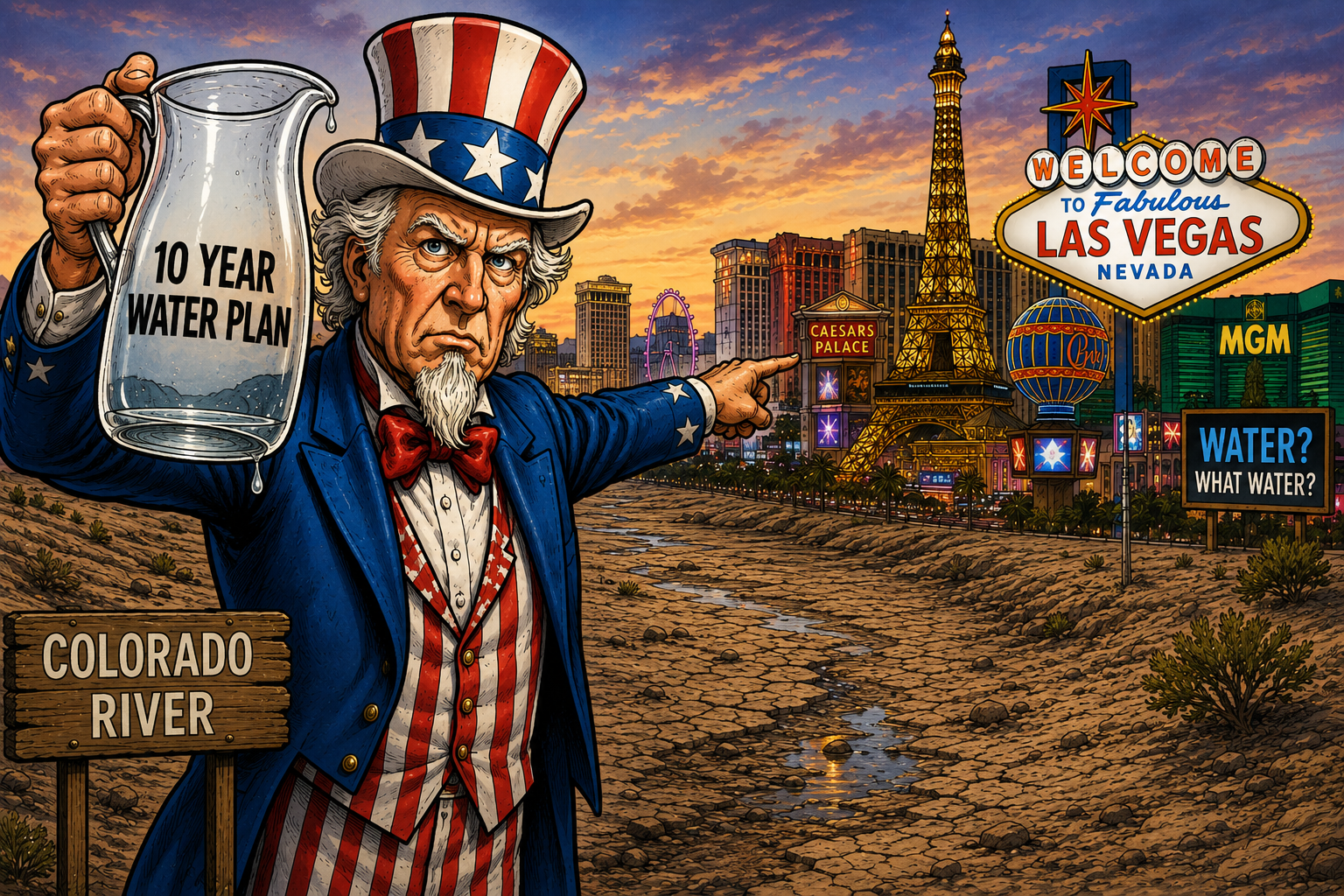
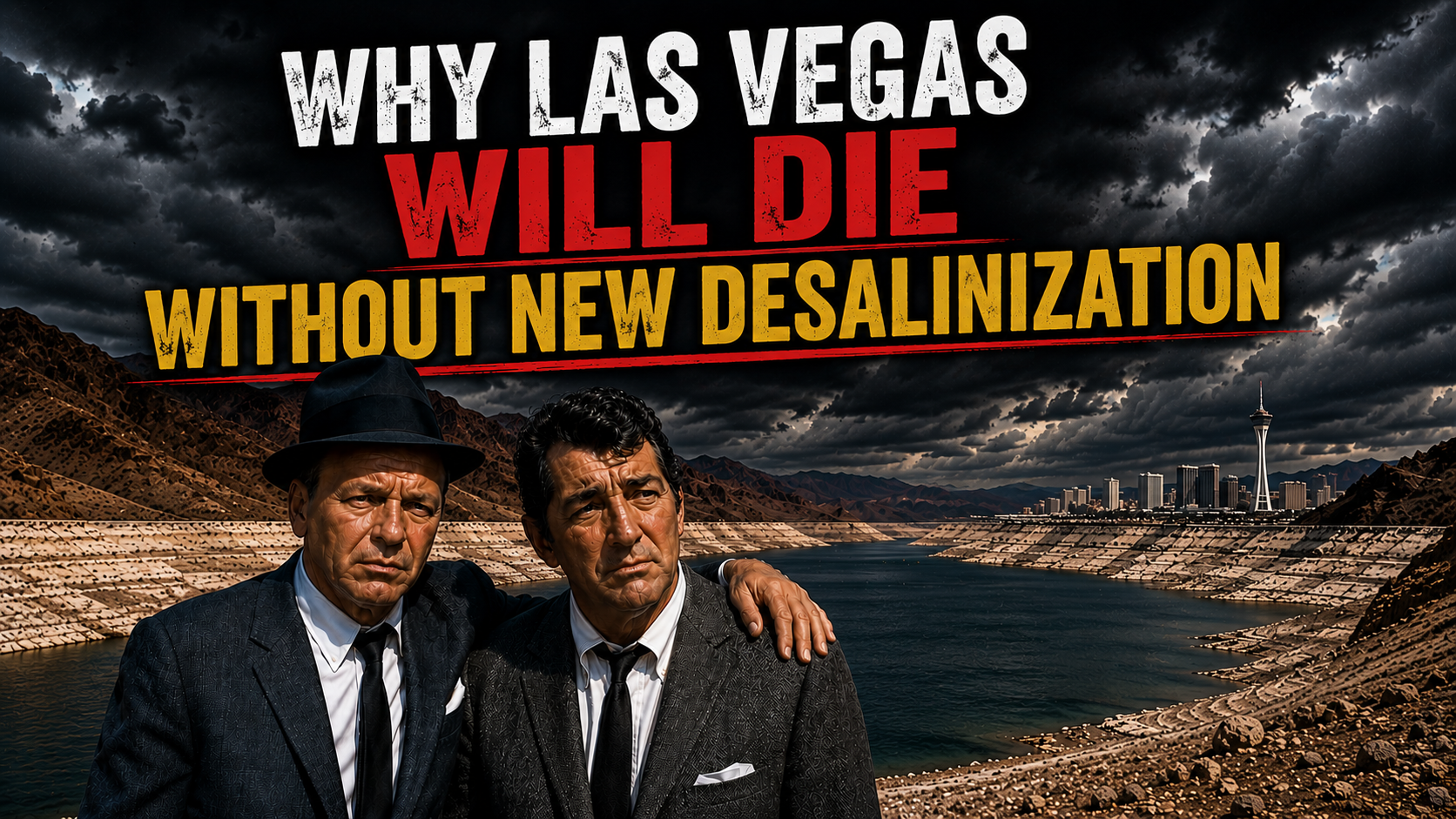
Water rationing is becoming more common as reservoirs continue to shrink. The Colorado River, which supplies water to nearly 40 million people across seven U.S. states and Mexico, has experienced historically low flows. Lake Mead and Lake Powell, the nation’s two largest reservoirs, have fallen to record-low levels during the past several years, forcing governments to implement conservation measures and rethink future water allocations.
Groundwater—the invisible reserve stored beneath our feet—is also disappearing at an alarming rate. Aquifers such as the Ogallala Aquifer, which supports nearly one-third of America’s irrigated agriculture, are being depleted faster than nature can replenish them. Similar groundwater declines have been documented across India, China, the Middle East, and many other regions where pumping has exceeded natural recharge for decades.
The world’s rivers and lakes are also shrinking. The Great Salt Lake has reached historic lows, threatening wildlife, agriculture, air quality, and local economies. Lake Chad, once one of Africa’s largest freshwater lakes, has lost approximately 90 percent of its surface area over the past several decades due to drought, climate variability, and increasing water withdrawals. Rivers that once flowed year-round now run seasonally or fail to reach the sea.
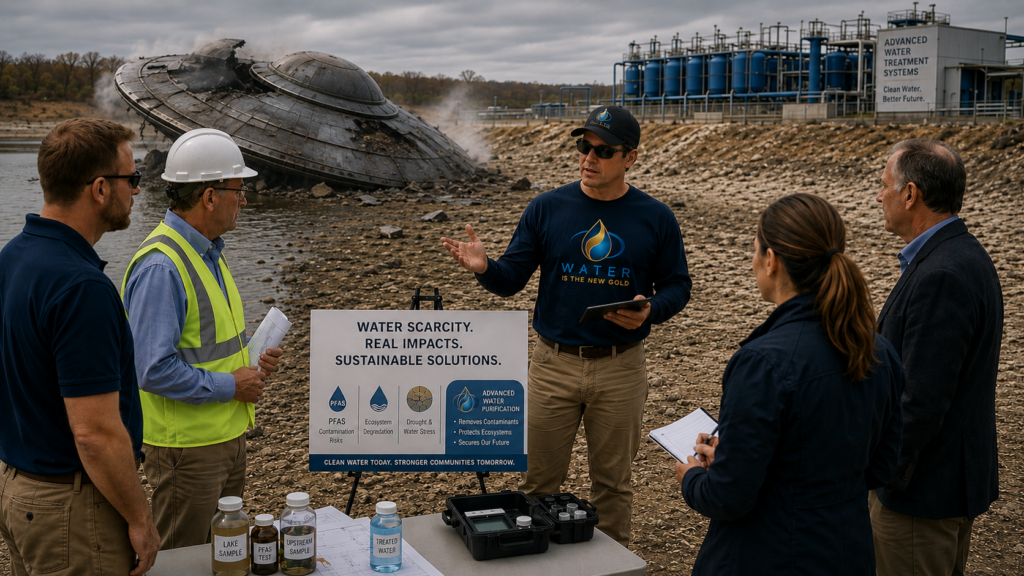
Behaviors portrayed in Aopcalyptic movies may be close to becoming a reality as the water crisis continues. Recently, brown water oozed out of the faucets in Trinidad, Texas. A housewife was arrested for complaing about it on Facebook, and has now filed a lawsuit. I believe this kind of consternation is just the tip of the iceberg.
Perhaps one of the most surprising examples of water scarcity involves rainwater itself. Many people assume that collecting rainwater is always encouraged, but in some locations regulations have historically restricted or limited rainwater harvesting because rainfall was legally considered part of downstream water rights. While many of these laws have been relaxed, there have been documented cases where individuals faced fines or legal action for unauthorized rainwater collection. These regulations illustrate how valuable every drop of freshwater has become in regions where water supplies are stretched to their limits.
As freshwater becomes increasingly scarce, governments are making difficult decisions about how limited supplies should be distributed among households, agriculture, industry, and environmental needs. These competing demands often lead to water rationing, usage restrictions, and growing public concern over future availability.
The reality is simple: water security can no longer be taken for granted. Aging treatment plants, contamination from industrial chemicals, population growth, and prolonged drought are placing unprecedented pressure on water systems across the globe. Communities that once considered themselves immune to shortages are beginning to recognize that reliable access to clean water requires continual investment, conservation, and responsible management.
Water has always been essential to life, but it is rapidly becoming one of the world’s most valuable resources. The question is no longer whether water shortages will affect our lives—it is how prepared we will be when they do. Individuals, businesses, and governments must begin treating water as the precious resource it truly is. Those who plan ahead by conserving water, protecting local supplies, and investing in reliable water treatment technologies will be far better positioned for a future in which every drop counts.