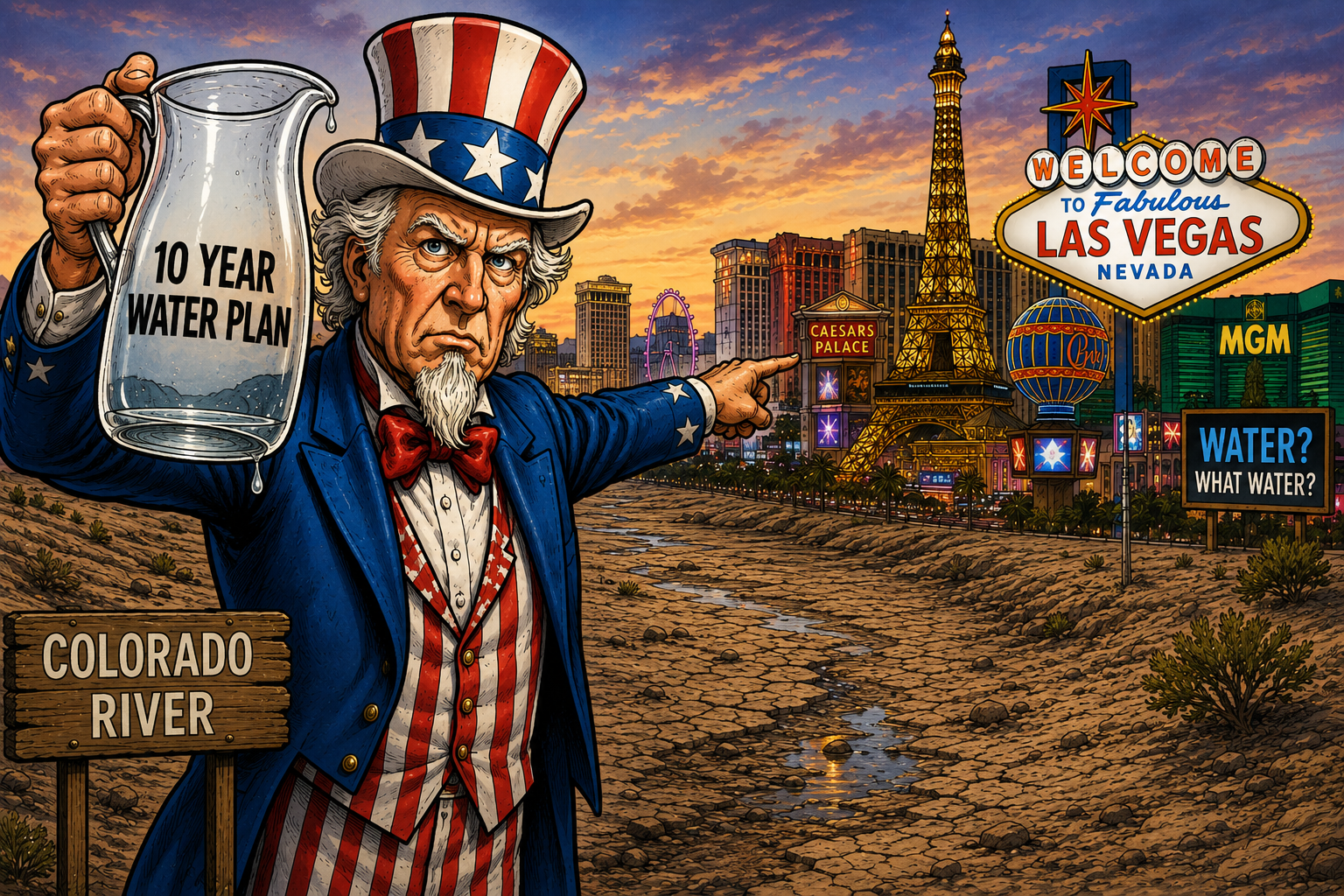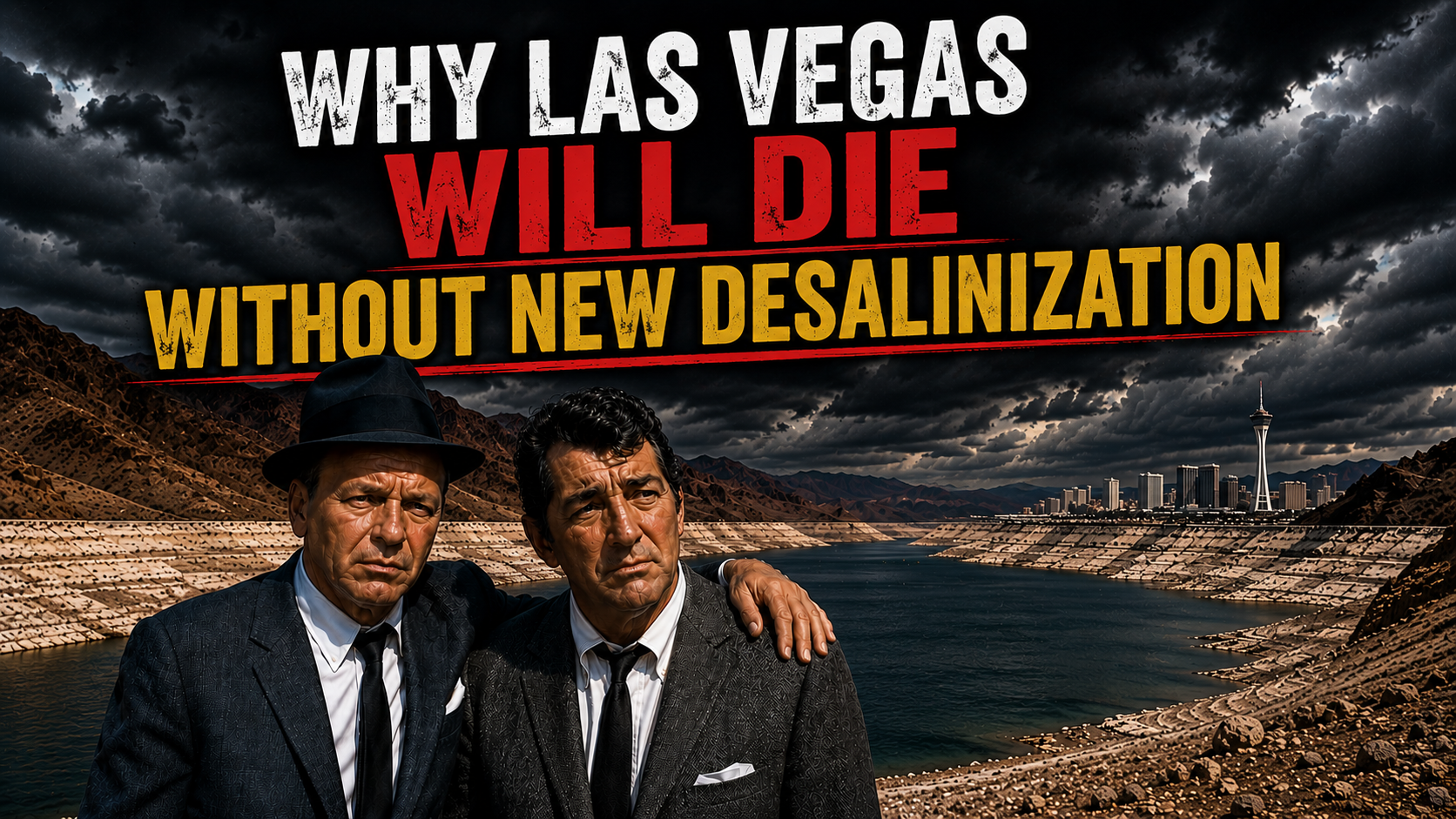
America’s water crisis is no longer a distant possibility—it is unfolding today. Aging pipelines burst every day, reservoirs are shrinking, aquifers are being depleted faster than they can recover, and contaminants continue to threaten drinking water supplies. Yet, despite these growing challenges, critics argue that President Donald Trump’s long-term approach does not provide a comprehensive national strategy for safeguarding America’s water future.
Whether one agrees or disagrees with his broader policies, the absence of a bold water agenda could leave many American cities increasingly vulnerable over the next decade. Here are five reasons why opponents believe this approach could have lasting consequences.
It Sets Up Communities to Suffer Strict Water Restrictions
Water shortages are becoming increasingly common across large sections of the United States. As populations grow while freshwater supplies remain limited, communities face the possibility of mandatory conservation measures, outdoor watering bans, and restrictions on commercial and industrial water use. Without a coordinated national effort to expand water supplies, improve efficiency, and encourage innovation, many cities could find themselves reacting to emergencies instead of preventing them.
It Provides No Significant Push to Develop New Water Technologies
America has long led the world in technological innovation, yet water technology has received far less attention than energy, transportation, or artificial intelligence. Emerging solutions such as advanced desalination, wastewater recycling, smart distribution systems, next-generation filtration, and aquifer recharge technologies could dramatically improve water security. Critics contend that without substantial federal investment or incentives to accelerate research and commercialization, the nation risks falling behind while water challenges continue to intensify. Innovation has solved many of America’s greatest problems. Water should be no exception.
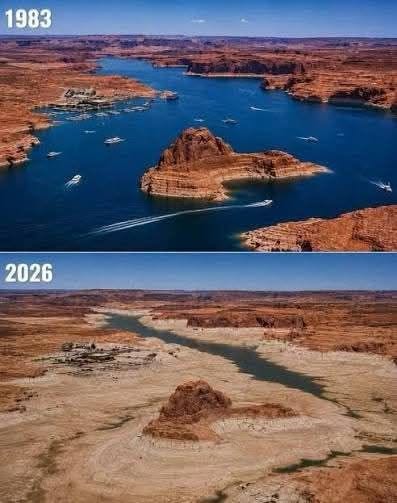
A wise man once said that nobody thinks about water until we open the faucet and there is no water. If you think this can only happen in third-world countries, think again. America is next. Behold, the dying Colorado River.
It Ignores America’s Aging Water Infrastructure
Much of America’s drinking water infrastructure was constructed decades ago and is reaching the end of its useful life. Millions of gallons of treated water are lost daily through leaking pipes, while outdated treatment plants struggle to meet modern demands. Replacing and modernizing these systems requires long-term planning and sustained investment. Delaying those improvements only increases repair costs while leaving communities more vulnerable to service disruptions, contamination risks, and water loss.
It Fails to Appoint Strong National Water Leadership
America has cabinet-level leadership for transportation, energy, agriculture, defense, and many other critical priorities. Yet water responsibilities remain fragmented among numerous federal, state, and local agencies. Critics argue that the country lacks a single national leader responsible for coordinating water policy, infrastructure planning, emergency preparedness, and long-term resource management. Without unified leadership, decision-making becomes reactive, fragmented, and often inconsistent across regions.
It Sets No Bold National Water Goals Great nations succeed when they establish ambitious goals
America once committed itself to building the interstate highway system, electrifying rural communities, and landing astronauts on the Moon. And while we are talking about water, when is the last time America was engaged in a water project with the impact of the Panama Canal, or Lake Mead and the Hoover Dam?
Water deserves the same level of national ambition. A comprehensive strategy could include measurable goals for reducing water loss, expanding water reuse, protecting groundwater resources, encouraging conservation, modernizing infrastructure, and supporting breakthrough technologies. Critics argue that without clearly defined national objectives, the country risks drifting from one crisis to the next instead of preparing for the future.
America’s cities cannot thrive without dependable, affordable, and safe water supplies. Regardless of political affiliation, water security is an issue that affects every household, every business, and every community. The decisions made—or left unmade—today will determine whether future generations inherit resilient water systems or face an era of chronic shortages.
The next decade could become America’s “Thirst Decade” unless water rises to the top of the national agenda.