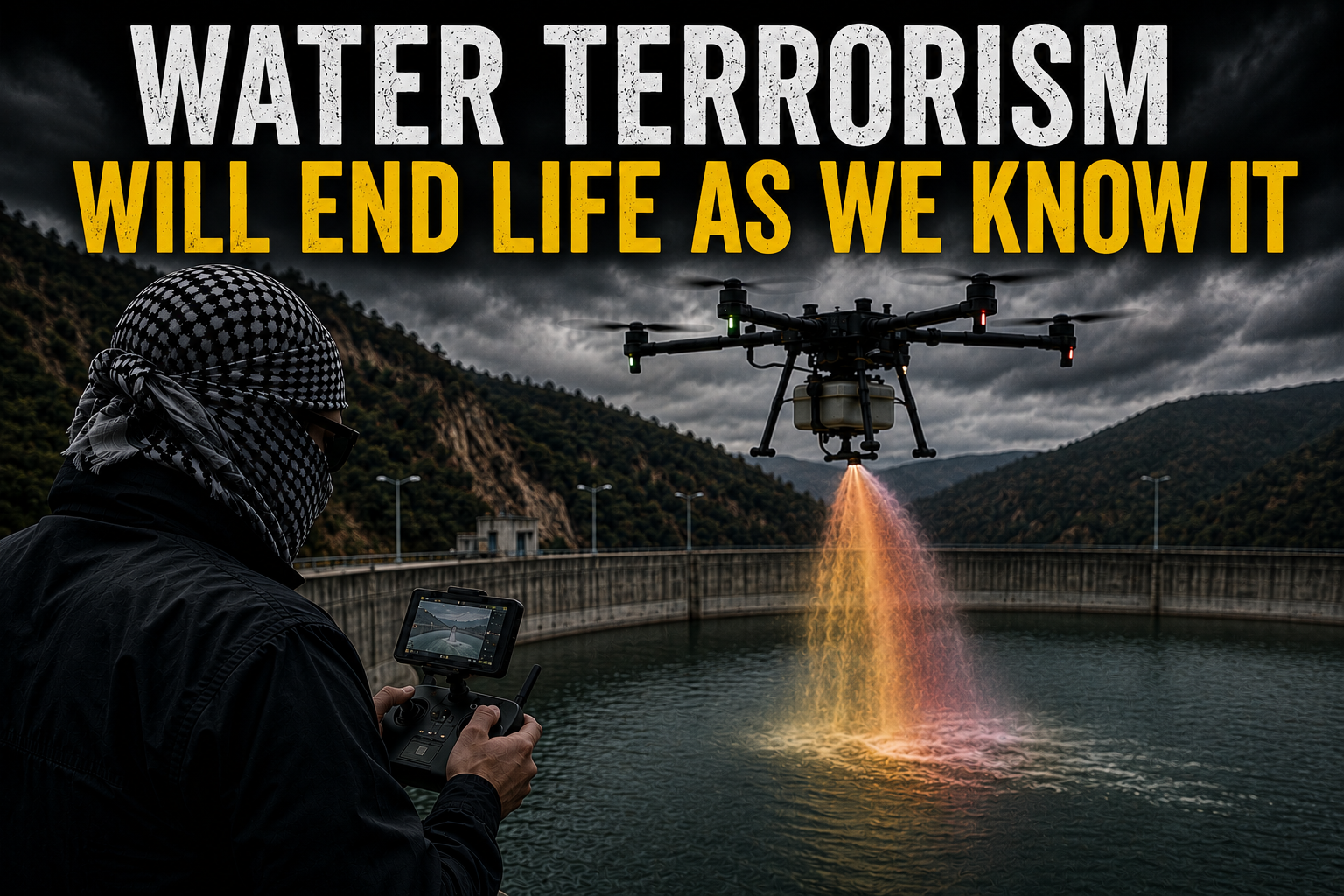
For decades, Americans have worried about attacks on airports, power grids, financial institutions, and communication networks. Yet one of our nation’s most vulnerable and essential resources has received far too little attention: our drinking water.
The recent cyber-attacks involving water systems in Minnesota should send a chill down every American’s spine. They serve as a sobering reminder that our water infrastructure is no longer protected simply because it is out of sight. Modern treatment plants rely heavily on computerized controls, remote monitoring, automated chemical feed systems, and interconnected networks. Those same technologies that make water treatment more efficient also create new opportunities for cybercriminals, hostile nations, and terrorist organizations.
Imagine the consequences if an attacker gained control of a treatment plant’s chemical dosing system or disabled critical treatment processes. Millions of people could lose confidence in their tap water overnight. Hospitals, schools, food manufacturers, and emergency responders would all be affected. Panic buying of bottled water would empty store shelves within hours. The economic damage alone would be staggering, but the greatest cost would be the loss of public trust in one of society’s most essential services.
The uncomfortable truth is that America is not adequately prepared.
Many of our treatment plants were designed decades ago to remove contaminants that were known at the time. Today’s threats are far more complex. New industrial chemicals, emerging biological contaminants, sophisticated cyber threats, and the possibility of deliberate contamination all demand a different level of preparedness than our infrastructure was originally built to provide.
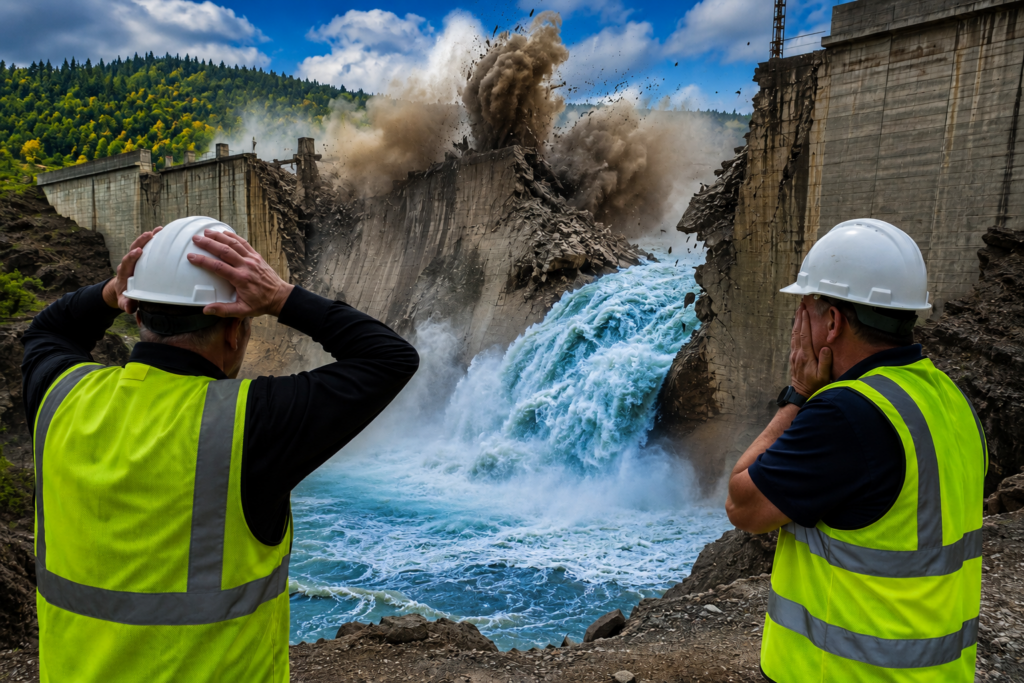
- *American Water Works Breached – 10/24
- *Seven States Were Attacked – 7/ 2026
- *Oldsmar, Florida – Hacked 2/21
- *Post Rock Rural Water, Hacked 3/19
The encouraging news is that this is a problem we can address—but only if we act before a major incident occurs rather than after.
One of the smartest investments we can make is expanding our reservoir capacity. Concentrating enormous volumes of drinking water into a limited number of storage facilities creates unnecessary risk. Multiple reservoirs and distributed storage systems make widespread contamination dramatically more difficult while improving resilience during emergencies, droughts, or infrastructure failures. Diversification is a proven security strategy in finance, energy, and transportation. It should become standard practice in water management as well.
Security at water treatment facilities must also become a national priority. Physical barriers, surveillance systems, restricted access, cybersecurity monitoring, continuous network testing, and employee training should be viewed as essential infrastructure—not optional expenses. Water plants deserve the same level of security planning that we routinely provide to airports, military installations, and electrical substations.
Treatment technology must evolve as well. Many facilities require modernization to better detect and remove emerging contaminants while providing real-time monitoring that can quickly identify unusual changes in water quality. Faster detection means faster response, limiting the impact of any deliberate or accidental contamination event. Investing in advanced treatment systems today is significantly less expensive than managing the consequences of a large-scale water emergency tomorrow.
Preparedness should not stop at the municipal level. Individual families also have a responsibility to be ready. Every household should maintain an emergency supply of safe bottled drinking water capable of lasting several days. Natural disasters have repeatedly shown how quickly access to clean water can disappear. A deliberate attack would create many of the same challenges.
Communities should also begin thinking more creatively about alternative water sources. Rainwater harvesting, properly designed collection systems, local emergency treatment capabilities, and even plans for treating water from ponds or small lakes during a crisis can provide valuable layers of resilience. While these alternatives are not replacements for municipal drinking water, they can become vital emergency resources when traditional supplies are disrupted.
The consumer water filtration industry also has an important role to play. For years, much of the industry’s marketing has centered on long lists of contaminants removed or impressive certification claims. Those are valuable features, but they should not overshadow the broader mission of protecting public health during rapidly changing threats. Manufacturers, engineers, researchers, and regulators should focus on developing filtration technologies that provide broad protection against both known and emerging contaminants instead of competing primarily through marketing slogans.
Protecting America’s drinking water will require cooperation across every level of society. Federal agencies, state governments, local utilities, engineers, cybersecurity professionals, manufacturers, emergency planners, and individual citizens all have a role to play. No single solution will eliminate every threat, but together these measures can significantly reduce our vulnerability.
Water has always been one of civilization’s greatest strengths. It should never become one of our greatest weaknesses.
The warning signs are already in front of us.
Cyber-attacks against water infrastructure demonstrate that bad actors recognize how critical—and how vulnerable—our drinking water systems have become. We still have time to strengthen our defenses, modernize our infrastructure, and prepare our communities.
The question is not whether we can afford to make these investments.
The real question is whether we can afford not to.